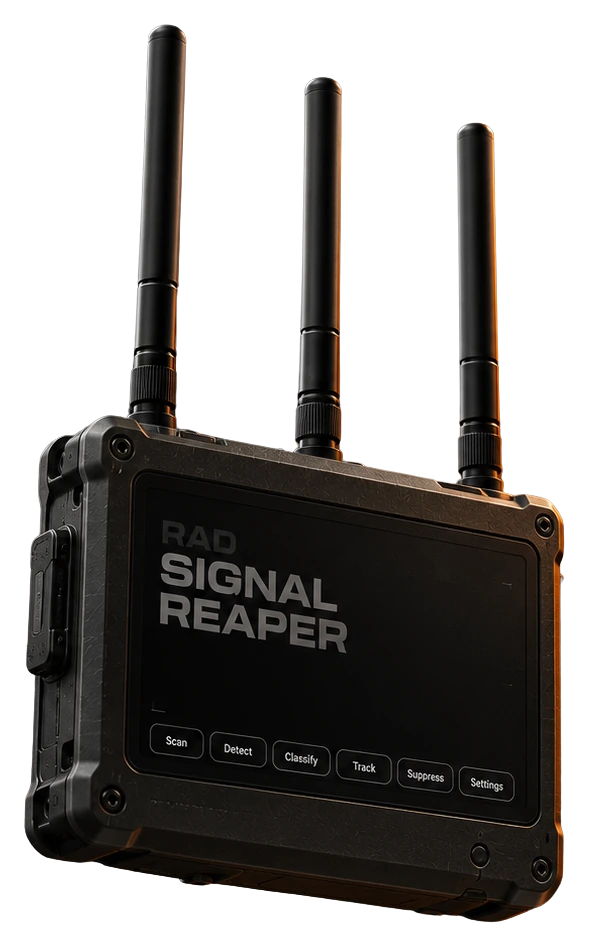
FROM OPERATIONAL REQUIREMENTTO VALIDATED SYSTEM.
RAD combines engineering, integration and real-world testing in one continuous development loop — from the first requirement to a system proven under the conditions it was designed for.
THE RAD DEVELOPMENT PROCESS
Each stage ends in a defined gate. A project moves forward only when the gate criterion is met, and returns to an earlier stage when it is not.
- 01
DEFINE
Mission need, use case, constraints, performance targets and interfaces.
GATE 01
Requirement & feasibility confirmed
- 02
DESIGN
System architecture, component selection, modelling and risk assessment.
GATE 02
Architecture frozen, technical risks identified
- 03
BUILD
Hardware, firmware, mechanics and functional prototype.
GATE 03
Functional prototype demonstrated
- 04
INTEGRATE
Integration with host platform, sensors, controls, communications and subsystems.
GATE 04
Integrated system operating on target platform
- 05
VALIDATE
Measured testing against defined acceptance criteria.
GATE 05
Performance measured against acceptance criteria
- 06
TRANSITION
Design and documentation prepared for manufacturing.
GATE 06
Ready for production transition
ITERATION RETURNS TO ANY EARLIER STAGE
Iteration is not a final stage. Failures, measurements and operator feedback return to any earlier stage.
The loop continues until the system meets the mission — not until the prototype works.
THE ENVIRONMENTIS PART OF THE TEST.
RAD has direct access to field and combat-condition testing, allowing systems to be evaluated against real terrain, interference, platform behaviour and mission constraints.
- REAL CONDITIONS
- Actual terrain, weather, interference and operating environment.
- REAL PLATFORMS
- Testing on the systems and platforms the technology is intended to work with.
- REAL OPERATORS
- Direct feedback from users rather than assumptions made in the laboratory.
- REAL FAILURE MODES
- Weak points appear under operational conditions and return directly into engineering.
WE VALIDATE CLAIMS,NOT IMPRESSIONS.
Every important claim becomes a measurable metric, defined per system and agreed before testing begins.
- PERFORMANCE
- Does the system achieve its intended functional result?
- LATENCY & RESPONSE
- How quickly does the system sense, process and respond?
- RELIABILITY
- Does performance remain stable over repeated operation?
- ENVIRONMENTAL
- Temperature, vibration, power, weather and operating conditions.
- INTEGRATION
- Communication stability, interfaces and interaction with the host platform.
- OPERATIONAL EFFECTIVENESS
- Does it solve the actual problem it was developed for?
VALIDATION RECORD
RAD AA
- CLAIM
- Detection and lock are achieved within the specified onboard processing budget
- METRIC
- End-to-end processing latency, sensor frame capture to control surface output
- METHOD
- Hardware-in-the-loop, instrumented timing on the target compute module
- CONDITIONS
- Day sensor · representative background scene · nominal supply voltage · +20 °C
Detailed test protocols and measurement data are provided to verified counterparties under NDA.
WHAT WE DELIVER
- GATE 01DEFINE
- Requirement specification
- Feasibility assessment
- Risk register
- GATE 02DESIGN
- System architecture
- Interface definition
- Component selection
- GATE 03BUILD
- Functional prototype
- Test results
- Design documentation
- GATE 04INTEGRATE
- Integrated system on target platform
- Integration report
- GATE 05VALIDATE
- Validation report
- Measured results against acceptance criteria
- GATE 06TRANSITION
- Production documentation
- Manufacturing readiness assessment
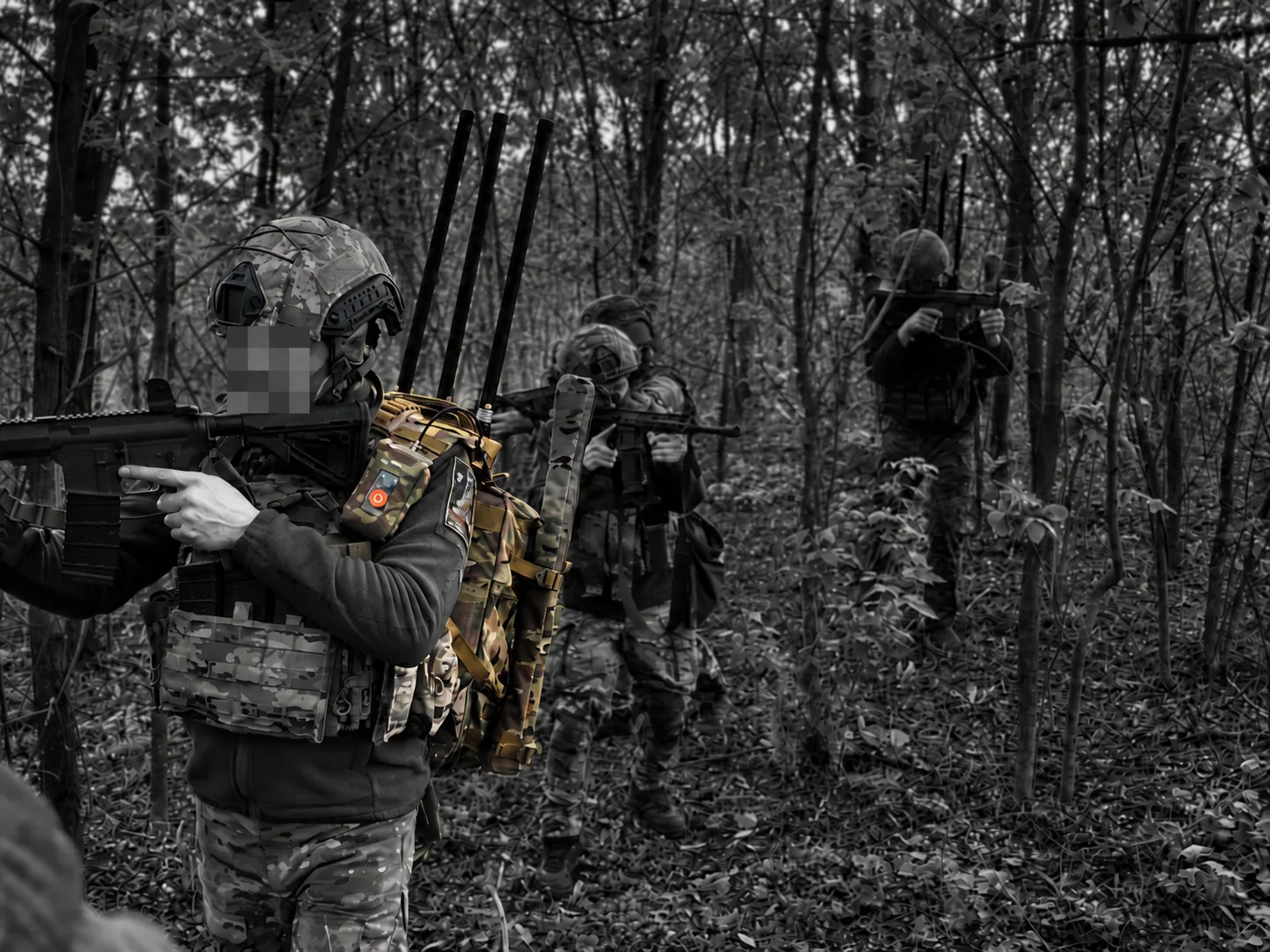
HAVE A DEFENSE TECHNOLOGYCHALLENGE TO SOLVE?
RAD can take responsibility for development, integration, testing or the complete validation cycle.